Data breaches have become one of the most pressing cybersecurity threats in Malaysia and around the world. Every day, millions of personal records are exposed through cyberattacks, insider negligence, and system vulnerabilities. Understanding what data breaches are, how they happen, and how to protect yourself is essential in today's digital landscape.
In Malaysia alone, several high-profile data breaches have exposed the personal information of millions of citizens — from telco subscriber data to medical records and e-commerce transactions. The consequences can be devastating, ranging from identity theft to financial fraud and reputational damage.
What Is a Data Breach?
A data breach is an incident where sensitive, protected, or confidential information is accessed, disclosed, or stolen without authorisation. This can include personal data such as names, IC numbers, addresses, phone numbers, bank account details, medical records, and login credentials.
Breaches can occur through various means — external hacking, insider threats, physical theft of devices, or even accidental exposure due to misconfigured databases. Regardless of how it happens, the result is the same: your personal information falls into the wrong hands.
Major Data Breaches in Malaysia
Malaysia has experienced several significant data breaches that have impacted millions of citizens:
- Telco Data Leaks (2023-2024): Multiple telecommunications companies reported breaches exposing subscriber data including IC numbers, home addresses, and call records affecting over 10 million users.
- E-Commerce Platform Breaches: Major online shopping platforms in Malaysia suffered data leaks exposing customer names, phone numbers, addresses, and purchase histories.
- Healthcare Database Exposure: Medical databases containing patient records, diagnoses, and treatment information were compromised, raising serious privacy concerns.
- Government Agency Incidents: Several government databases were breached, leaking personal data of civil servants and citizens registered in national databases.
PDPA 2010 and Your Rights
Malaysia's Personal Data Protection Act (PDPA) 2010 is the primary legislation governing the processing of personal data in commercial transactions. Under the PDPA, individuals have the right to:
- Be informed of how their data is being processed
- Access their personal data held by data users
- Correct inaccurate personal data
- Withdraw consent for data processing
- Prevent processing that could cause damage or distress
Despite these protections, enforcement remains a challenge. The PDPA does not cover government agencies, and many breaches go unreported or unpunished. Proposed amendments aim to strengthen penalties and expand coverage, but progress has been slow.
How Breaches Happen
Data breaches can occur through a variety of methods:
- Hacking and Malware: Cybercriminals exploit system vulnerabilities, install malware, or use phishing attacks to gain unauthorised access to databases.
- Insider Threats: Employees, contractors, or partners with legitimate access may intentionally or accidentally expose data.
- Misconfigured Databases: Cloud storage and databases left publicly accessible without proper security configurations are a common cause of mass data exposure.
- Lost or Stolen Devices: Laptops, phones, and storage devices containing sensitive data can fall into the wrong hands.
- Third-Party Vendors: Breaches often occur through trusted vendors or partners with weaker security practices.
Impact on Individuals
The consequences of a data breach extend far beyond the initial exposure:
- Identity Theft: Stolen IC numbers and personal details can be used to open bank accounts, apply for loans, or commit fraud in your name.
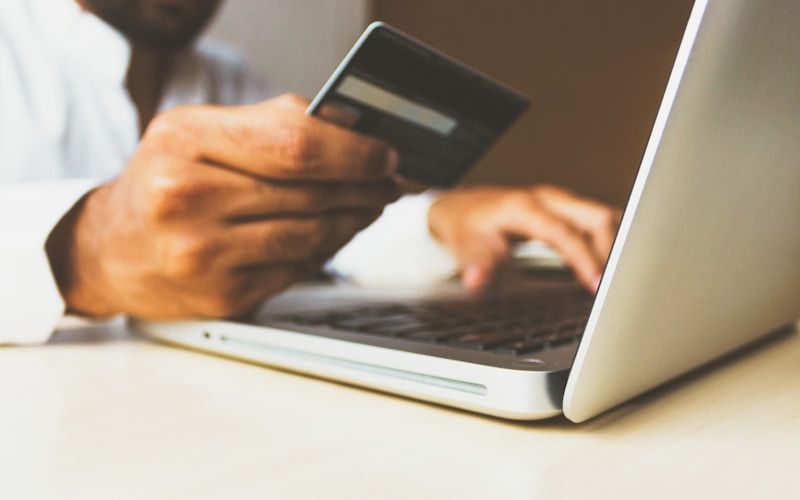
- Financial Fraud: Bank account and credit card details can be used for unauthorised transactions.
- Phishing Attacks: Breached data enables highly targeted phishing campaigns that are harder to detect.
- Reputational Damage: Leaked personal information can cause embarrassment, blackmail, or social engineering attacks.
- Long-Term Consequences: Unlike passwords, your IC number and biometric data cannot be changed once exposed.
How to Protect Yourself
While you cannot control how organisations handle your data, you can take steps to minimise your risk:
- Use Strong, Unique Passwords: Never reuse passwords across different accounts. Use a password manager to generate and store complex passwords.
- Enable Multi-Factor Authentication (MFA): Add an extra layer of security to your accounts wherever possible.
- Monitor Your Accounts: Regularly check bank statements, credit reports, and online accounts for suspicious activity.
- Be Cautious with Personal Information: Only share necessary information with organisations and review privacy settings on social media.
- Keep Software Updated: Regular updates patch security vulnerabilities that could be exploited.
- Use Encryption: Encrypt sensitive files and use HTTPS when browsing.
What to Do If Your Data Is Breached
If you suspect your data has been compromised in a breach, take these steps immediately:
- Change Passwords: Update passwords for affected accounts immediately, especially if you reuse passwords.
- Enable MFA: If not already enabled, turn on multi-factor authentication for all important accounts.
- Contact Your Bank: Notify your financial institution to monitor for fraudulent activity.
- Report to Authorities: Lodge a report with the Malaysian Department of Personal Data Protection (JPDP) and the police.
- Monitor for Phishing: Be extra vigilant against emails or calls requesting further information — scammers often exploit breach news.
- Check Credit Reports: Request your credit report from CCRIS or CTOS to check for unauthorised credit applications.
Take Action If Your Data Is Breached
If your personal data has been exposed in a breach, act fast. Change compromised passwords immediately, enable MFA on all accounts, notify your bank, and report the incident to the Department of Personal Data Protection (JPDP). Remember: your IC number and biometric data cannot be replaced — once leaked, they are compromised forever. Stay vigilant against follow-up scams that target breach victims.
13M+
Malaysian records exposed in major data breaches since 2020
60%
Of Malaysian organisations experienced at least one data breach (PwC 2024)
RM43B
Estimated annual economic loss from cybercrime in Malaysia